


Fracture & Trauma Care
Expert treatment for broken wrists, hands, fingers, and elbows. Helping Northern Arizona patients return to work, sports and daily life.

Same- week appointments
Non-surgical and surgical care
Personalized treatment plans
Helping you return to what you love

COMMON FRACTURES WE TREAT
────────────────
We treat fractures of the hand, wrist and elbow.
────────────────
Broken Wrist (Radius)
One of the most common fractures we treat, especially from falls.
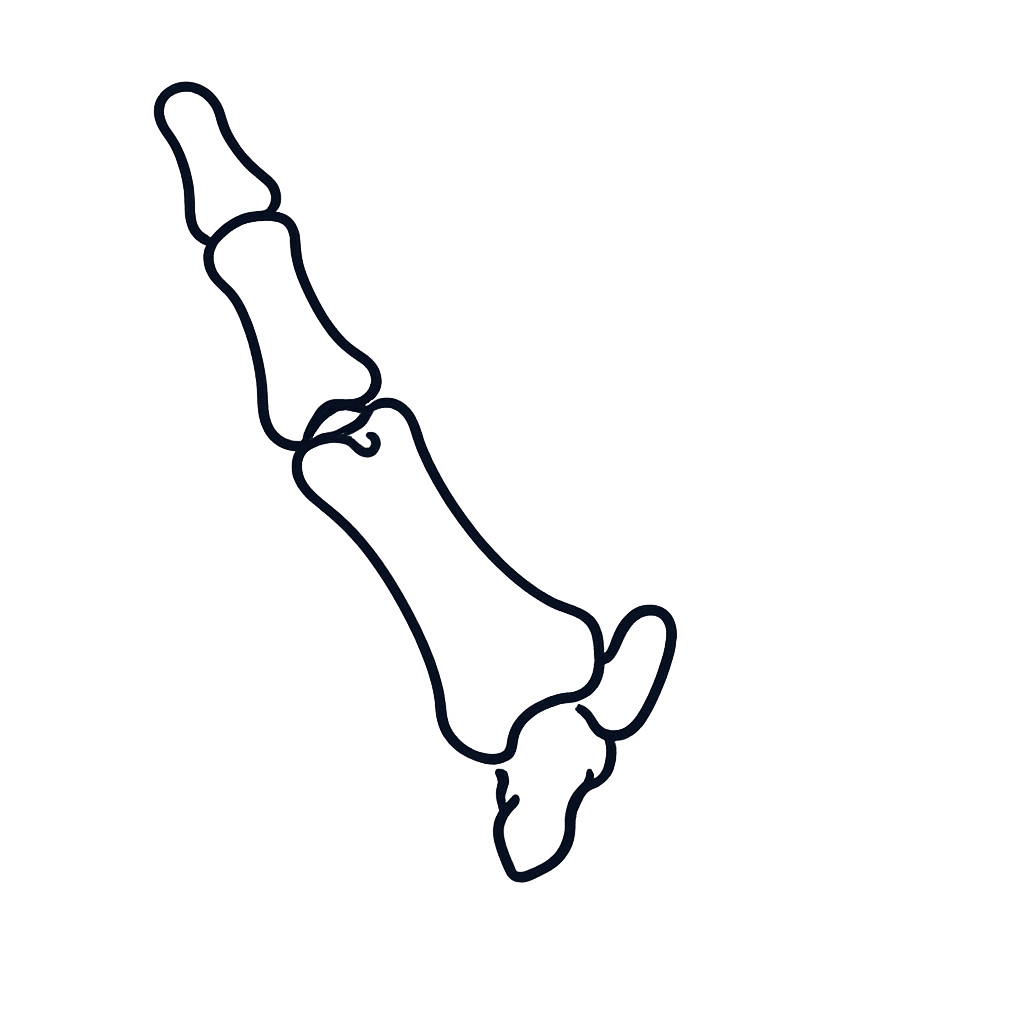
Thumb Fractures
Proper treatment is important for grip, pinch, and function
Finger Fractures
Fractures of the finger bone are common and highly treatable.
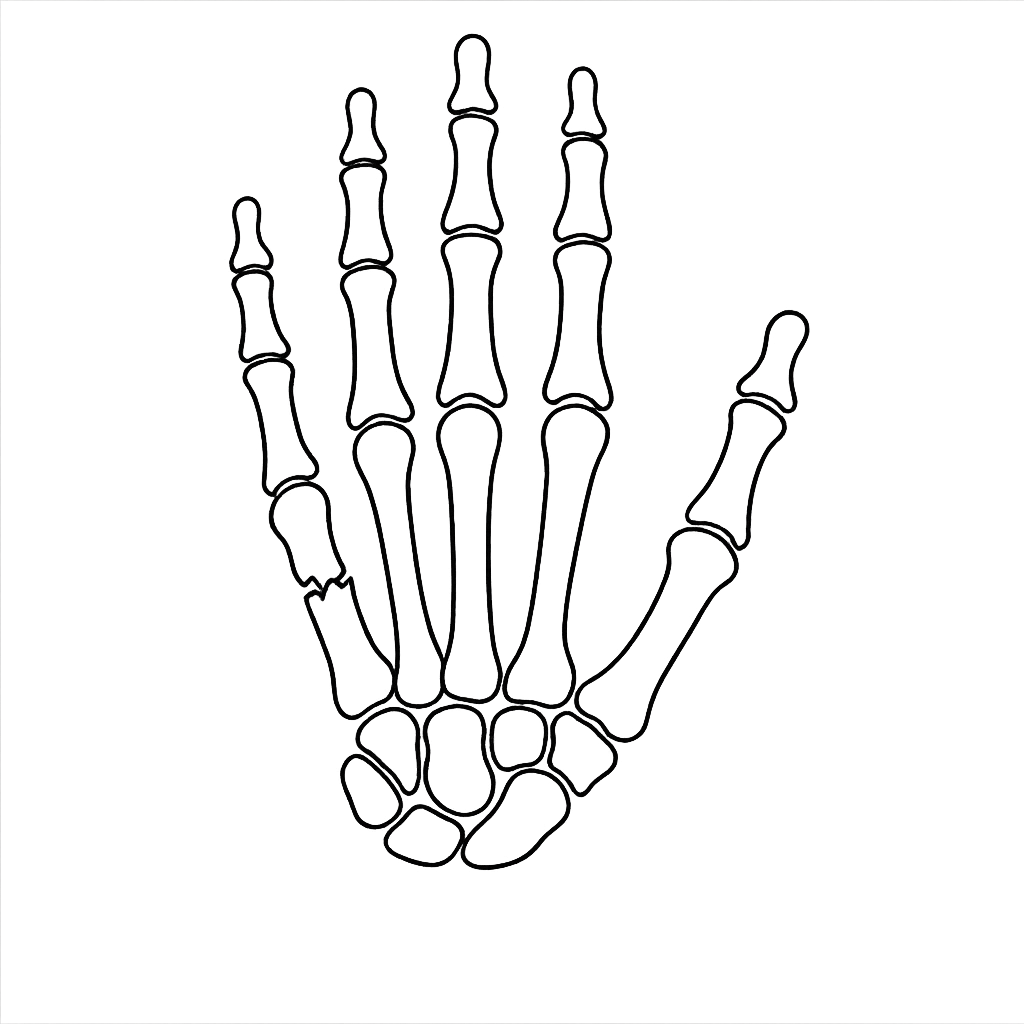
Broken Hand (Metacarpal)
Injuries to the metacarpals affect function and strength
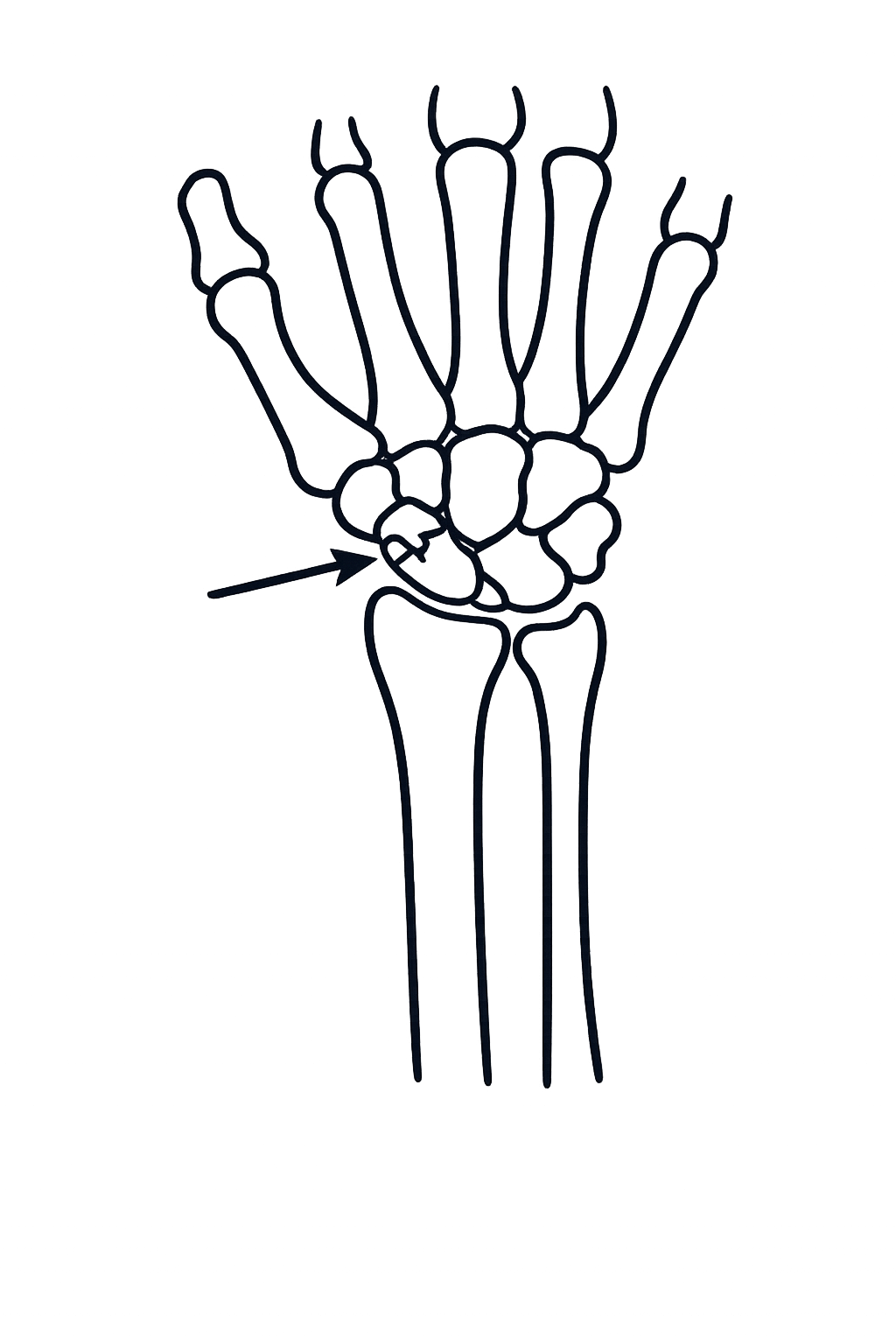
Scaphoid Fractures
These wrist fractures can be tricky to diagnose and need expert care.
Elbow Fractures & Injuries
Specialized treatment for simple and complex fractures to restore motion and strength

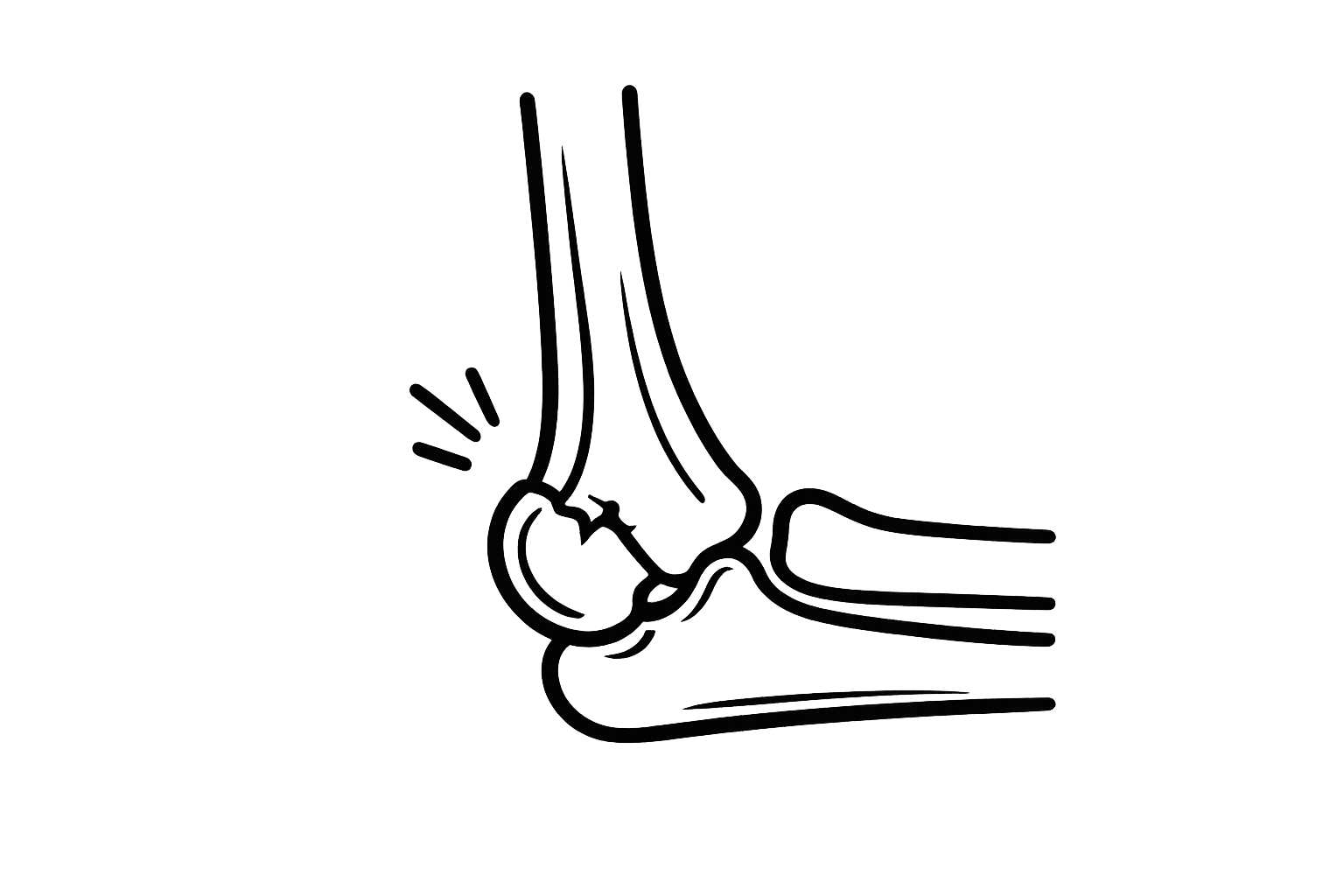
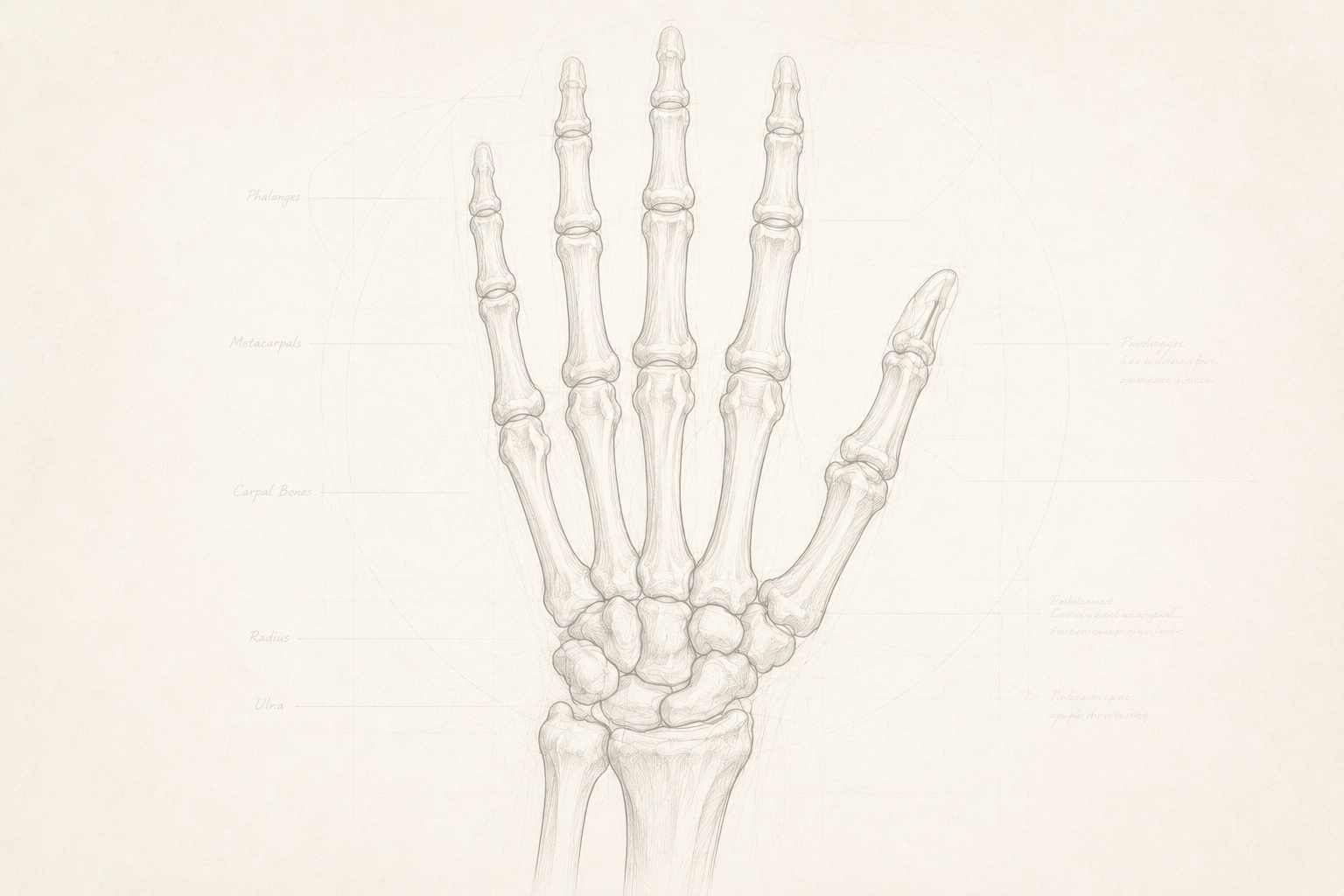

BROKEN WRIST
Distal Radius Fracture
────
Tailored treatment for each fracture, each patient, and each goal.
A distal radius fracture, commonly called a broken wrist, is one of the most frequent injuries treated by hand surgeons. Whether caused by a fall, skiing, snowboarding, mountain biking, or other trauma, treatment is tailored to the fracture pattern, bone quality, activity level, and recovery goals. Options range from casting and bracing to advanced surgical fixation techniques.
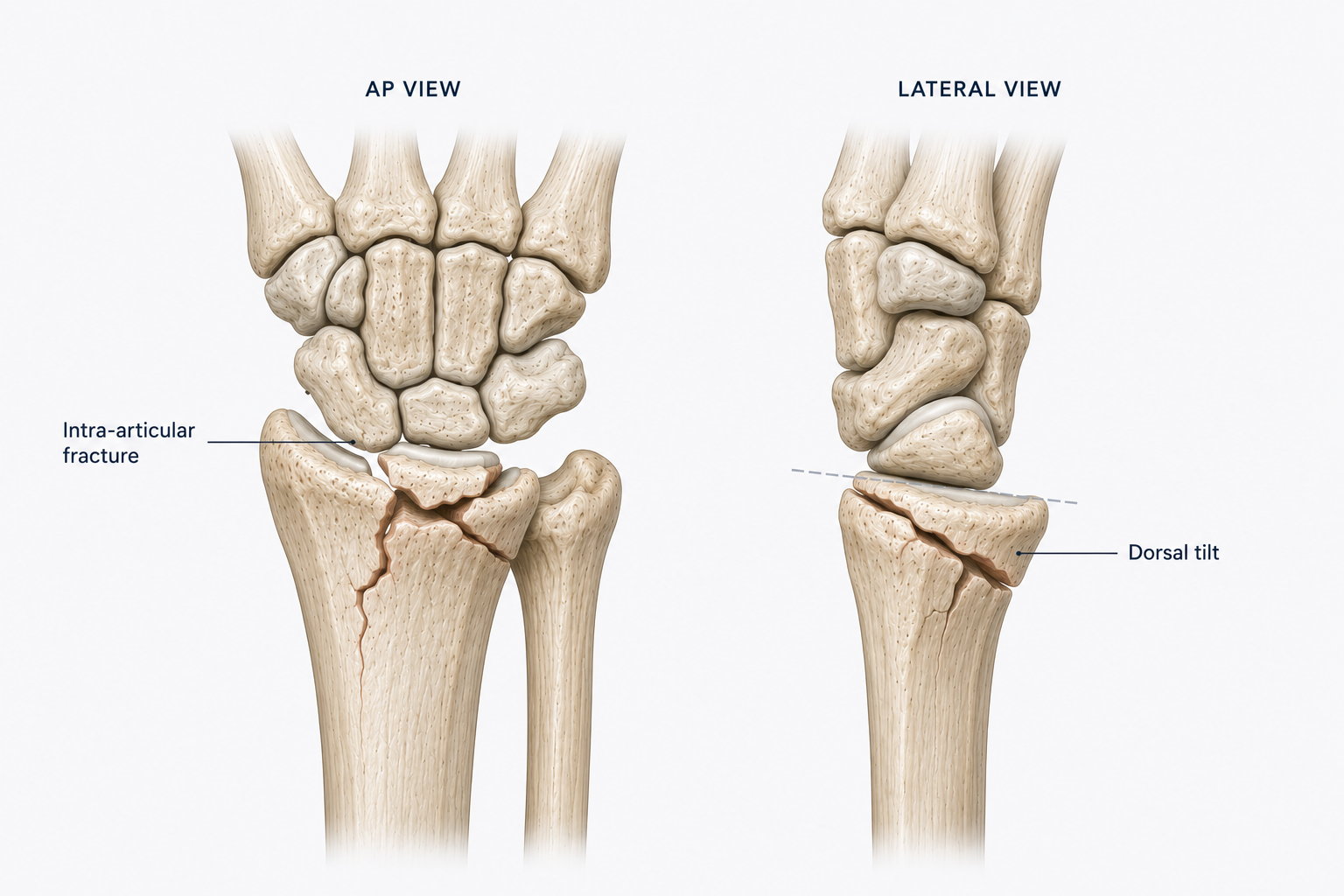
FRACTURE PATTERN
Every fracture is different. Treatment decisions are based on the fracture pattern, displacement, joint involvement, bone quality, and patient goals.
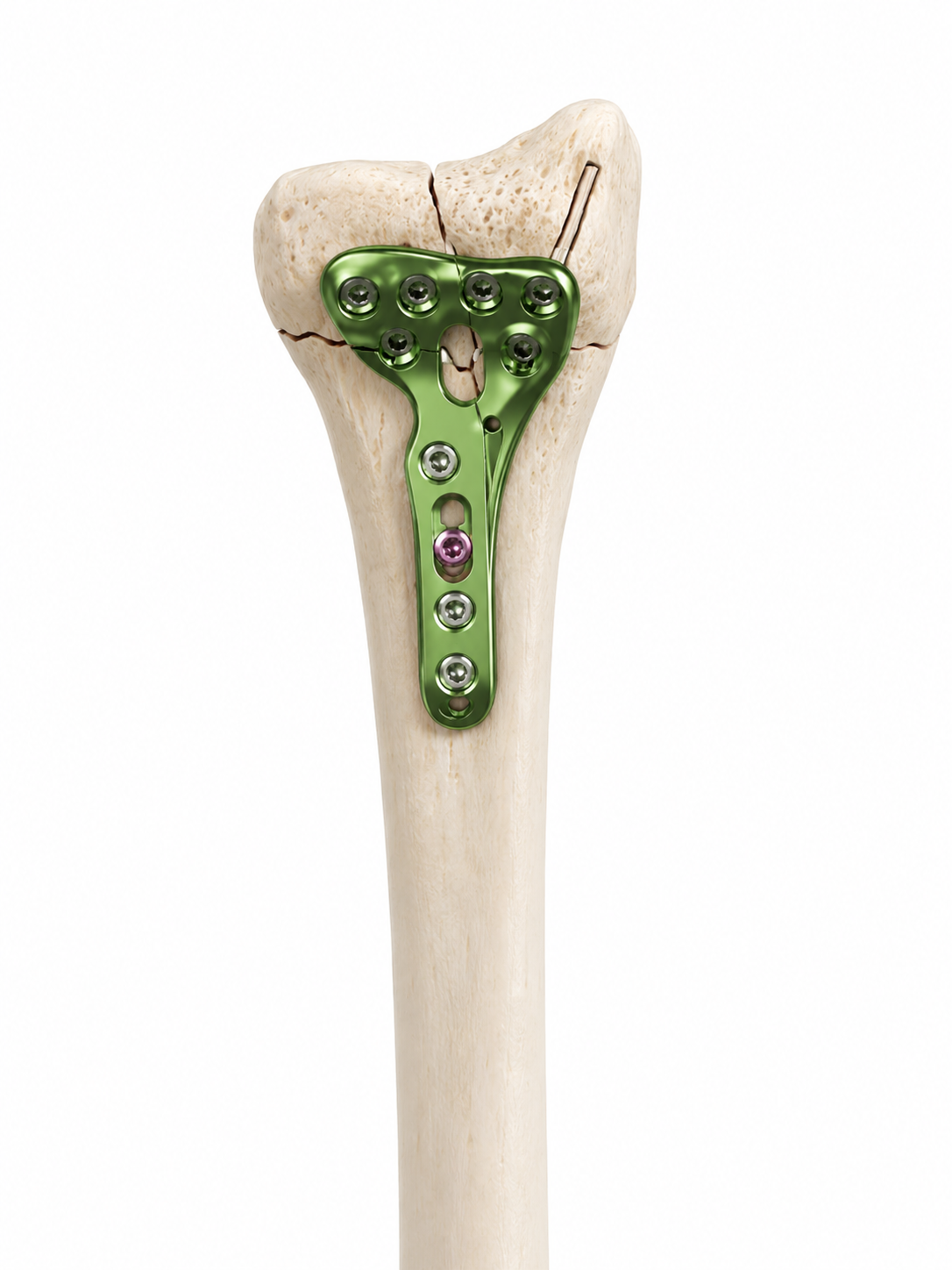
VOLAR PLATE FIXATION
The most common surgical treatment for unstable distal radius fractures. Designed to restore alignment and allow early motion during recovery.
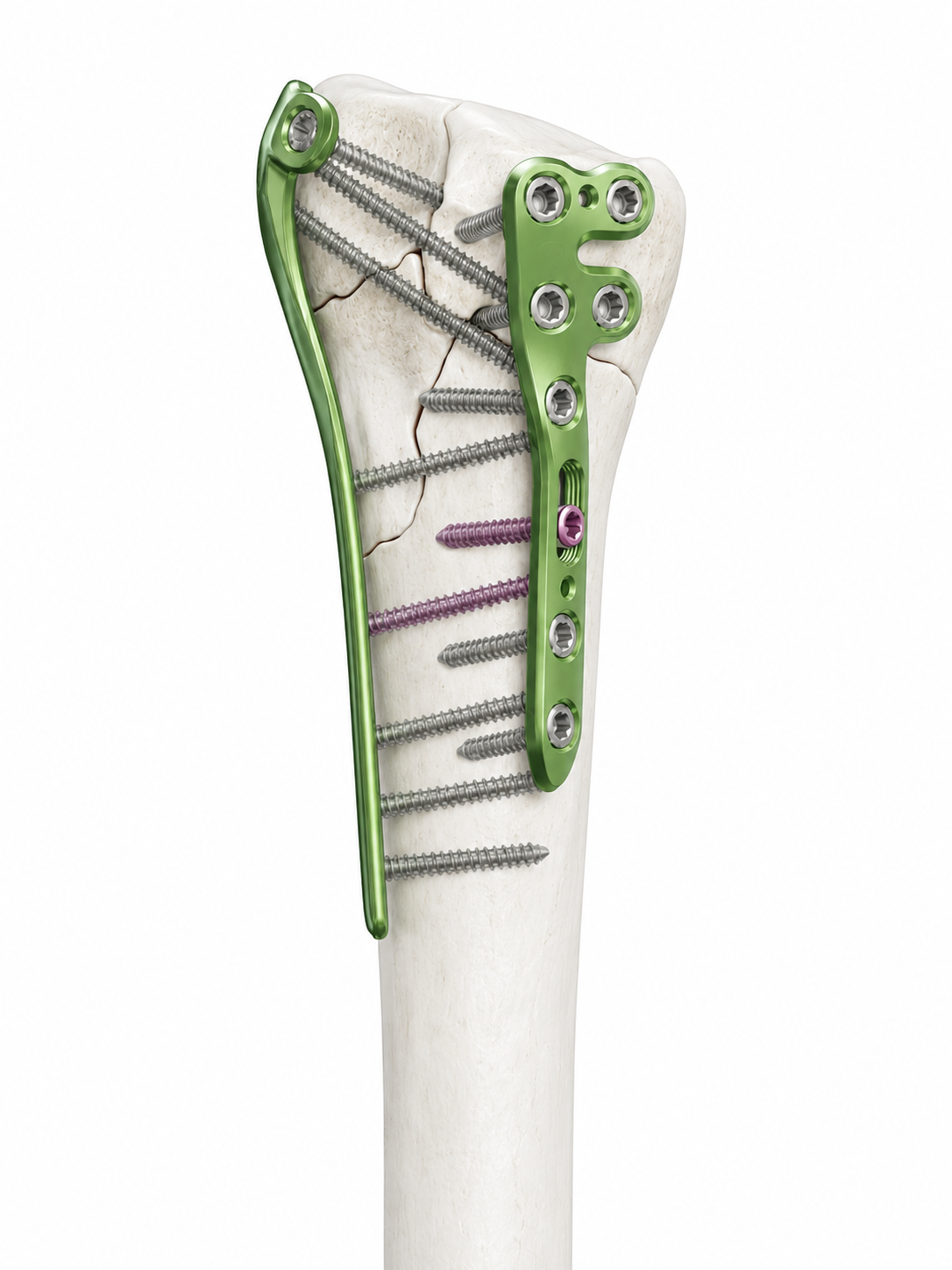
FRAGMENT-SPECIFIC FIXATION
Specialized fixation for complex fracture patterns that may not be adequately treated with a standard plate alone.
Have Questions About Your Wrist Fracture?
─────────────────────
Every fracture is different. Many wrist fractures heal successfully with casting or bracing, while others may benefit from surgery to restore alignment and function.

Call the Office
Speak with our team to schedule an appointment today.
Review Your X-rays
We can review outside imaging and obtain additional X-rays when necessary.

Flagstaff & Sedona Locations
Serving patients throughout Northern Arizona
Learn About Fractures of the Hand, Wrist, and Elbow
Quick answers to questions patients ask every day…
-
No. Many fractures heal successfully with splinting, casting, or bracing. Surgery may be recommended when a fracture is displaced, unstable, involves a joint surface, or is unlikely to heal in an acceptable position.
Wrist Fracture (Distal Radius)
-
No. Many wrist fractures heal successfully with casting or bracing and never require surgery. However, treatment recommendations depend on the fracture pattern, alignment, joint involvement, age, activity level, and personal goals. An evaluation and review of your X-rays can help determine the most appropriate treatment plan.
-
Most wrist fractures begin to heal within several weeks, but every injury is different. Recovery timelines vary based on the severity of the fracture, overall health, and treatment method. Most fractures show significant healing within the first several weeks, though recovery often continues for months after the injury. Understanding what type of fracture you have and what to expect during recovery can help you return to normal activities safely.
-
Some fractures heal with excellent function despite minor deformity, while others may result in pain, stiffness, weakness, or loss of motion. The challenge is that it is often difficult to know which fractures are likely to cause long-term problems without reviewing the X-rays and monitoring healing over time. Early evaluation and follow-up X-rays can help identify problems before the fracture heals in an unfavorable position.
-
Return-to-activity recommendations depend on the fracture pattern, treatment method, and the demands of your sport or occupation. While some patients return relatively quickly, others require additional healing time. A personalized treatment plan can help optimize recovery and reduce the risk of reinjury.
-
If you have questions about whether surgery is necessary, concerns about healing, or simply want to better understand your options, a second opinion can provide clarity and confidence in your treatment decision.
Finger Fractures
-
Yes. Many finger fractures can be treated successfully with splinting, buddy taping, or early motion. Surgery may be recommended when a fracture is significantly displaced, unstable, involves a joint, or is likely to heal in a position that affects hand function.
-
Swelling, fracture displacement, and rotational deformity can all affect the appearance of a finger after an injury. While some fractures heal with excellent function despite minor deformity, others may benefit from treatment to restore alignment and improve long-term motion and function.
-
Most patients regain excellent function after a finger fracture, but stiffness can occur, especially when joints are involved or immobilization is prolonged. Early motion, when appropriate, and hand therapy can often help maximize recovery.
-
Loss of motion is common after finger injuries and may improve gradually with time, exercises, or hand therapy. Persistent stiffness, pain, or deformity may warrant further evaluation to determine whether additional treatment is needed.
-
A boxer’s fracture is a break in the fifth metacarpal, the bone leading to the small finger, usually near the knuckle. It often occurs after striking a hard object and may cause pain, swelling, a sunken knuckle, or finger angulation.
-
No. Many stable hand fractures heal successfully with splinting, casting, or buddy taping. Surgery may be recommended when a fracture is displaced, unstable, rotated, involves a joint, or is likely to heal in a position that affects hand function.
-
Crossing or overlapping may indicate rotational deformity from a metacarpal or finger fracture. Rotation can interfere with grip and hand function, so it is important to have the alignment evaluated.
-
Most patients regain good grip strength as the fracture heals and motion returns. Recovery depends on the fracture pattern, alignment, stiffness, treatment method, and rehabilitation. Hand therapy may be recommended when needed.
Broken Hand (Metacarpal)
-
It can be difficult to tell the difference. Pain, swelling, bruising, and difficulty using the thumb can occur with both injuries. Because some thumb fractures can look very similar to a severe sprain, X-rays are often needed to make an accurate diagnosis. If pain, swelling, or difficulty gripping persists after an injury, it is worth having the thumb evaluated.
-
No. Many thumb fractures can be treated successfully with a cast, brace, or splint. However, some fractures involve the joint, are displaced, or affect the stability of the thumb and may benefit from surgery. An evaluation and X-rays can help determine the best treatment and reduce the risk of long-term problems such as stiffness, weakness, or arthritis.
-
Some thumb fractures heal well with simple treatment, while others can heal in a poor position or involve the joint surface. This may lead to chronic pain, decreased pinch strength, stiffness, or arthritis over time. Early evaluation helps ensure the fracture is healing properly and allows more treatment options if needed.
-
You should consider seeing a hand specialist if you have significant pain, swelling, deformity, numbness, difficulty moving the thumb, or if X-rays show a fracture. Even injuries that seem minor can occasionally involve the joint or affect thumb stability. An early evaluation can help determine whether simple treatment is appropriate or if additional care is needed.
Thumb Fracture
-
A scaphoid fracture often causes pain and tenderness on the thumb side of the wrist after a fall onto an outstretched hand. Swelling may be mild, and many people assume they have simply sprained their wrist. Because scaphoid fractures can sometimes be difficult to see on initial X-rays, persistent pain after an injury should be evaluated by a hand specialist.
-
Yes. Some scaphoid fractures are not visible on initial X-rays, especially shortly after the injury occurs. If symptoms and the physical examination suggest a scaphoid fracture, additional imaging such as repeat X-rays, CT scans, or MRI may be recommended. Early diagnosis is important because delayed treatment can affect healing.
-
No. Many scaphoid fractures can heal with casting or bracing when they are diagnosed early and remain well aligned. However, fractures that are displaced, unstable, or located in certain parts of the bone may benefit from surgery. Treatment recommendations depend on the location of the fracture, alignment, activity level, and healing potential.
-
The scaphoid has a limited blood supply, which can make healing more challenging than other wrist fractures. If the fracture does not heal, patients may develop persistent pain, weakness, stiffness, and eventually arthritis in the wrist. Early evaluation and appropriate treatment help maximize the chance of successful healing and long-term wrist function.
Scaphoid Fracture
-
Pain, swelling, bruising, and difficulty moving the elbow can occur with both fractures and ligament injuries. Some fractures are obvious, while others may only cause mild swelling and stiffness. Because it can be difficult to tell the difference without imaging, persistent pain after an injury should be evaluated by a medical professional.
-
A torn distal biceps tendon often occurs while lifting, pulling, or catching a heavy object. Many patients describe feeling or hearing a "pop" near the elbow followed by pain, bruising, weakness, or a change in the appearance of the biceps muscle. Because untreated ruptures can lead to permanent loss of strength, early evaluation is recommended if a distal biceps tear is suspected.
-
No. Many elbow fractures can be treated without surgery using a brace, splint, or early motion program. However, fractures that are displaced, unstable, involve the joint surface, or are associated with ligament injuries may benefit from surgery. Treatment recommendations depend on the specific fracture pattern, overall health, and the patient's goals and activity level.
-
You should consider seeing a specialist if you have significant swelling, bruising, loss of motion, numbness, weakness, deformity, or persistent pain after an injury. Conditions such as elbow fractures, dislocations, tendon ruptures, and ligament injuries often benefit from early diagnosis and treatment to help restore strength, motion, and function.
Elbow Fractures & Injuries